Beat the Valley Heat: How Solar Window Film Keeps Your Home Cooler
By the Darkside Window Tinting Team
Key Takeaways
- West- and south-facing glass is the main way heat gets into Valley homes, and untreated windows can push a room 10 to 15 degrees above the rest of the house by late afternoon.
- Solar control film rejects a large share of infrared heat before it ever enters the room, so temperatures stay even and your AC cycles less.
- Roughly one-third of a building's cooling load comes from solar heat gain through windows, according to figures attributed to the U.S. Department of Energy.
- You don't have to do the whole house at once. The west-facing living room and any oversized slider give the biggest comfort jump first.
- Quality film also blocks up to 99% of UV rays, which helps protect floors, furniture, and artwork from fading.
Where the Heat Gets In
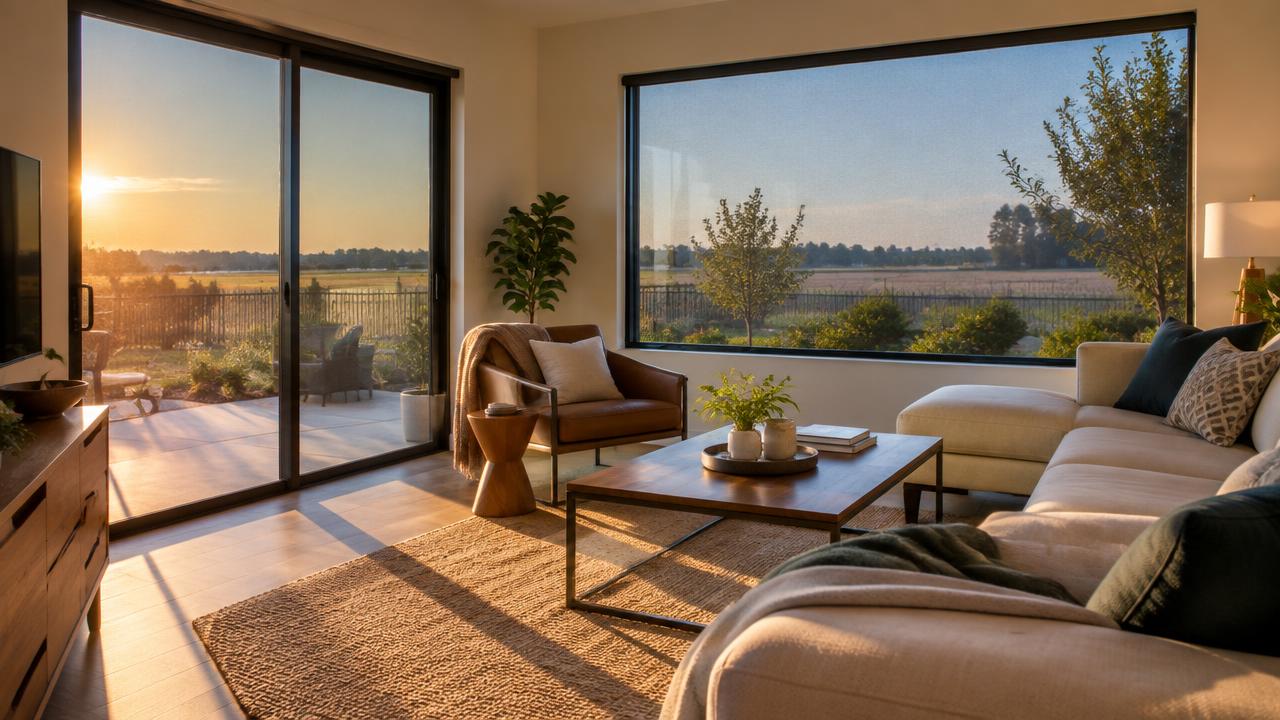
You know the feeling: the living room turns into a greenhouse by 4 PM while the hallway stays perfectly comfortable. The culprit is your glass. In most Valley homes, west and south facing windows do the damage, which is exactly where home window film in California earns its place. Untreated windows can push a room 10 to 15 degrees above the rest of the house by late afternoon, and your system runs constantly trying to catch up.
Clear glass is basically an open door for sunlight. It reflects only about 6% of solar energy and absorbs about 5%, letting the rest pour straight in. Facilities industry research citing the Department of Energy notes that solar heat gain through windows accounts for roughly one-third of a building's cooling load. That's a huge share of the work your AC is doing, and it all starts at the glass.
Not all sunlight is created equal, either. Here's what's actually coming through your windows:
| Part of the Sun's Energy | Share of Solar Spectrum | What It Does in Your Home |
|---|---|---|
| Near-infrared | About 53% | The heat you feel on your skin and furniture |
| Visible light | About 44% | Daylight, plus glare on screens and TVs |
| Ultraviolet (UV) | About 3% | Fades floors, fabrics, and artwork over time |
More than half of the sun's energy arrives as invisible infrared heat, which is exactly what solar control film is built to stop.
What Solar Film Actually Changes
Solar control film rejects a large share of infrared before it ever enters the room. The result is easy to feel: rooms hold temperature evenly, the AC cycles less, and the hot spots by sliders and big picture windows go away. Because the film stays on the inside of the glass and keeps your view, you get the comfort upgrade without changing how your home looks.
Picture a typical July afternoon. Without film, the west-facing living room heats up first, the thermostat in the hallway senses the rest of the house and keeps the system running, and everyone ends up crowding into the coolest corner. With film on those hot windows, the sun's punch is dulled before it lands, so the room stays closer to the temperature of the rest of the home and the AC finally gets a chance to rest.
Climate matters here, too. A U.S. General Services Administration study on solar control film retrofits found the biggest potential benefit in warm climates with mild winters, where cooling dominates the year. That describes the Central Valley almost perfectly.
| Factor | Untreated Glass | With Solar Control Film |
|---|---|---|
| Heat entering the room | Most solar energy passes straight through | Rejects up to 78% of solar heat |
| UV exposure | Steady fading of floors and furniture | Blocks up to 99% of UV |
| Late-afternoon room temperature | 10 to 15 degrees above the rest of the house | Far more even from room to room |
| AC behavior | Runs constantly to catch up | Cycles less often |
| Hot spots by sliders and picture windows | Common | Greatly reduced |
Start With the Worst Rooms
Good news: you don't have to tackle the whole house at once. Treating the west-facing living room and any oversized slider usually gives the biggest comfort jump for the least effort. Here's a simple way to decide where to begin:
| Room or Window | Why It Runs Hot | Priority |
|---|---|---|
| West-facing living room | Direct afternoon sun at the hottest part of the day | Start here |
| Oversized sliders and picture windows | Large glass area means large heat gain | Start here |
| South-facing bedrooms and home offices | Strong sun for much of the day | Next |
| North-facing rooms | Little direct sun | Lowest priority |
What to Expect From the Process
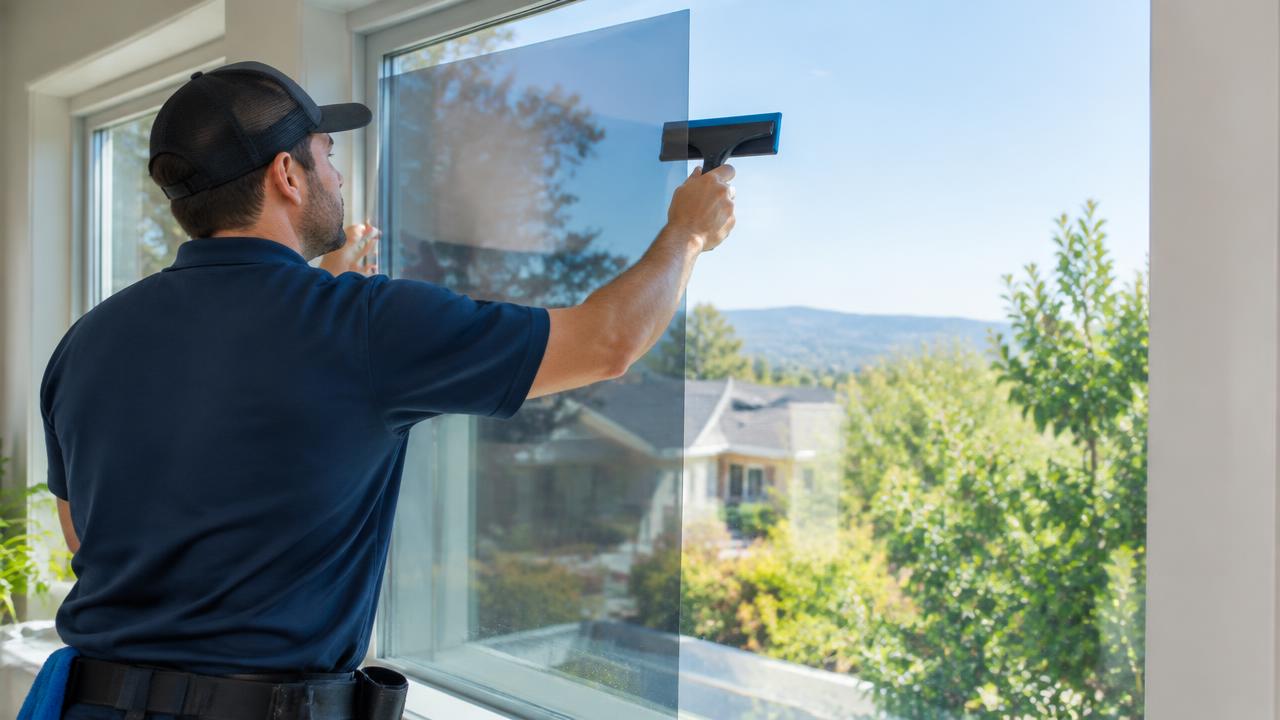
Getting started is simpler than most homeowners expect. A good installer walks through your home, notes which windows take the most sun, and recommends the right film for each one. Professionals then clean the glass, apply the film to the inside surface, and trim it to fit cleanly. There's no need to replace windows or change your frames, and the work is usually finished quickly, so you can enjoy the difference the same season.
More Than Just a Cooler Room
Temperature is only part of the story. The same film that cuts heat also softens harsh glare, so TVs and laptops are easier to see in bright rooms. And because up to 99% of UV is blocked, hardwood, rugs, and furniture near big windows stop bleaching in the sun.
When you're comparing options, a few questions are worth asking any installer:
- Which film is right for my glass type and my hottest windows?
- Is the installer licensed and insured?
- What warranty backs the film and the installation?
Cooler Rooms, Calmer AC
Every home has a few windows doing most of the damage, and fixing those first makes summer noticeably easier. Darkside Window Tinting is a licensed and insured Clovis, CA installer that offers a free on-site consultation, recommends the right film for each room, and backs residential film with a lifetime warranty.
Ready to cool down your hottest rooms?
Book a free on-site consultation and we will recommend the right solar film for each window.
Contact DarkSide Window TintingFrequently asked questions
Does solar window film really keep a house cooler?
Yes. Solar control film rejects a large share of infrared heat before it enters the room, which keeps temperatures more even and means the AC cycles less. The effect is most noticeable on west- and south-facing windows that get hours of direct sun.
Which windows should I tint first?
Start with the west-facing living room and any oversized sliders or picture windows. Those take the most direct afternoon sun and usually give the biggest comfort improvement. South-facing bedrooms and home offices are a good next step.
Will window film make my rooms dark or block my view?
Not necessarily. Modern solar control films are designed to reject heat and UV while still letting in plenty of natural light, and you can still see out. An installer can show you film options with different levels of tint so you can choose the look you prefer.
How long does residential window film last?
Quality residential film is built to last for many years. Darkside Window Tinting backs its residential film with a lifetime warranty, and proper professional installation is a big part of getting that long-term performance.