How Long Does Window Tint Actually Last?
Key Takeaways
- Film quality sets the ceiling: carbon and nano-ceramic hold color and clarity, while cheap dyed film turns purple and bubbles
- Sun exposure alone rarely ruins a modern film, poor installation and poor care are the usual culprits
- Ammonia cleaners, abrasive towels, rolling windows down too early, and scraped defroster lines all shorten tint life
- Automotive and residential film comes with a lifetime warranty, and commercial film typically carries about a 12 year warranty
- Purple or bronze shifting, hazing, stubborn bubbles, and lifting edges mean it's time for removal and a fresh install
- Following simple cure and cleaning rules protects your investment for years
Ceramic and carbon, real-world lifespan, and what shortens it.
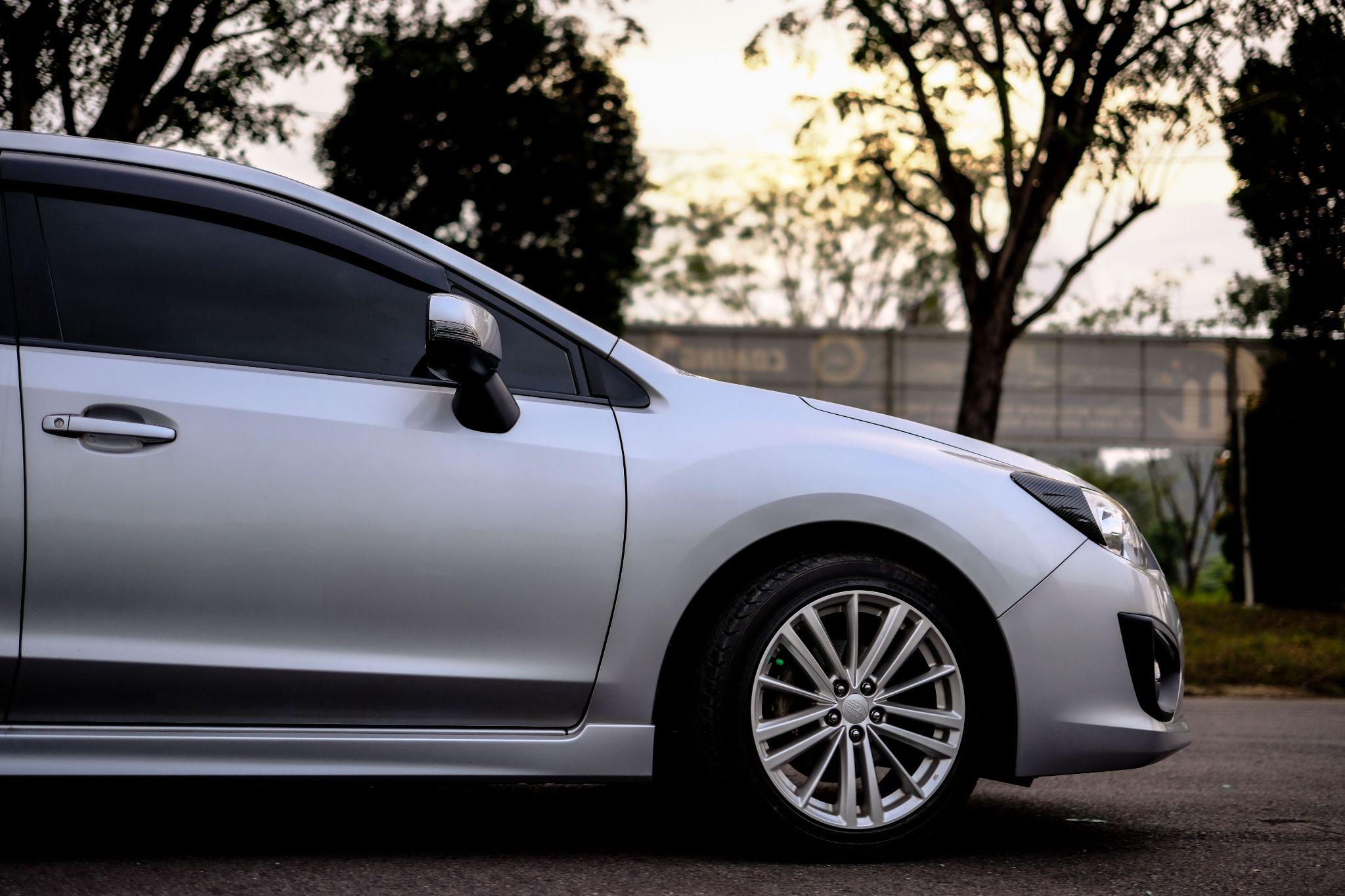
Everyone has seen that car. The windows have gone a weird shade of purple, there are bubbles crawling across the back glass, and the tint is peeling at the corners like a bad sunburn. Then there are the cars with tint that still looks sharp years after it went on. Same sun, same roads, completely different outcome. The difference almost always comes down to two things: what film went on the glass, and how it's been treated since.
Did you know? The purple look on old tint isn't the sun "burning" the film. It's the dye breaking down. Cheap dyed film uses colorant that fades and shifts over time, which is exactly why it goes from black to purple or bronze, while carbon and ceramic films are built differently and hold their color.
Film Quality Sets The Ceiling
Think of the film itself as the cap on how long your tint can last. At Darkside Window Tint, we use quality carbon and nano-ceramic films built to hold their color and clarity for the life of the vehicle or glass. They're not a “replace it in a few years” product.
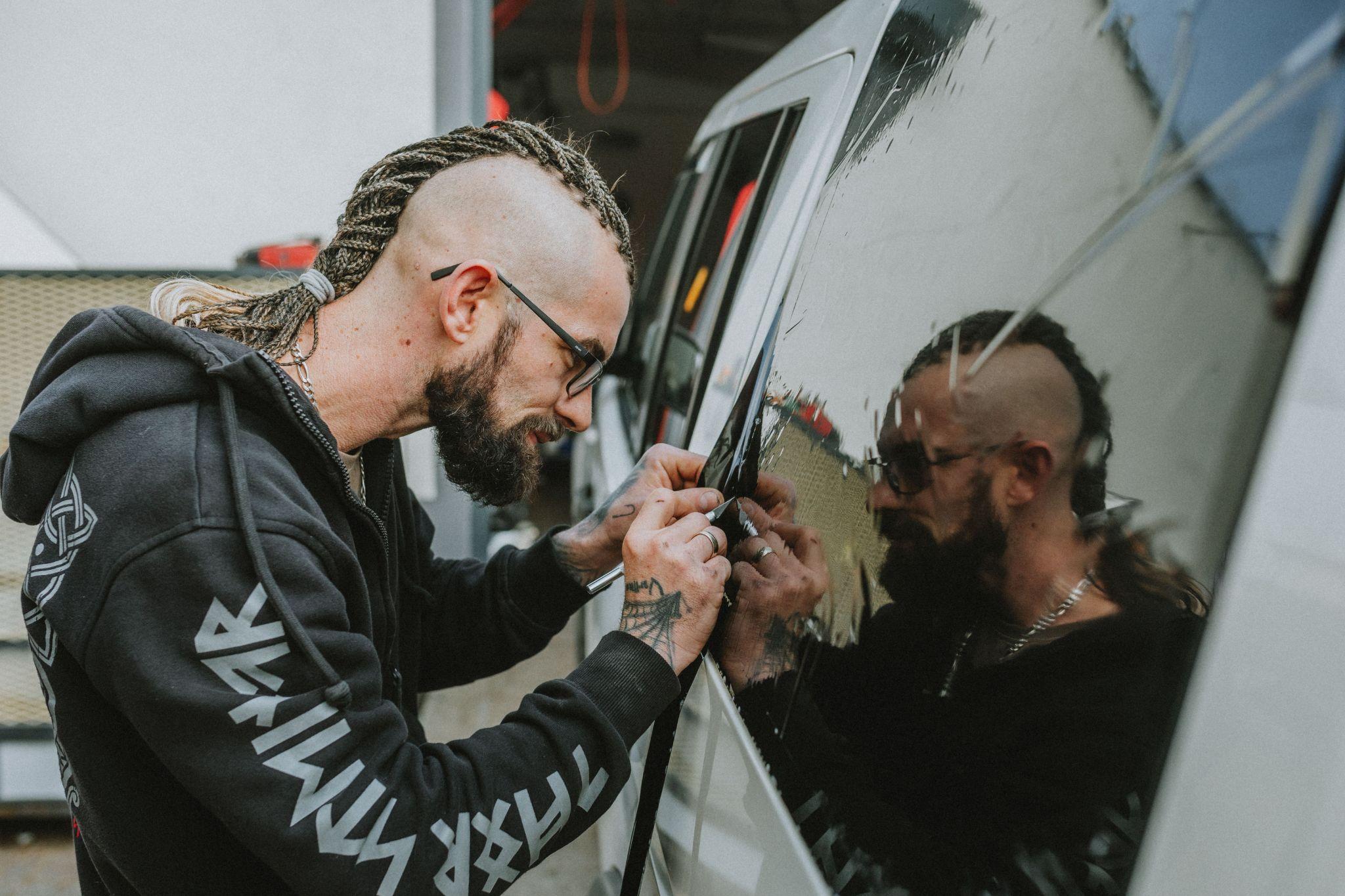
Cheap dyed film is the opposite story. It's the stuff that turns purple and bubbles, and that's the main reason we don't install it. A lower price up front usually means paying twice once the film gives out.
Here's How The Common Film Types Stack Up:
| Film type | How it holds up | What to expect |
|---|---|---|
| Dyed | Colorant fades over time | Tends to turn purple or bronze and bubble, which is why we don't install it |
| Carbon | Built to hold color and clarity | Lasts for the life of the vehicle or glass when installed and cared for properly |
| Nano-ceramic | Built to hold color and clarity | Lasts for the life of the vehicle or glass when installed and cared for properly |
Because we only install films we trust, every automotive and residential film we put on is backed by a lifetime warranty. Commercial film typically carries about a 12 year warranty. That warranty is a pretty good signal of how confident an installer is in the product.
What Actually Shortens Tint Life
Here's the part that surprises people. Sun exposure alone rarely kills a modern film. When tint fails early, it's almost always one of these:
- Harsh ammonia cleaners, which break down the film and its adhesive over time
- Abrasive towels or rough paper towels that scratch the surface
- Rolling the windows down before the film has fully cured
- Scraping defroster lines with ice scrapers or other tools
- A poor installation that left dust, gaps, or weak edges from day one
Poor installation and poor care do far more damage than the sun ever will. That's the good news, because both are things you can control.
Why The First Few Days Matter So Much
Fresh tint needs time to cure. Moisture is trapped under the film during installation, and it has to work its way out as the adhesive settles. Rolling a window down too early can catch the edge of the film and start a peel that never fully recovers.
A few things help during that period:
- Leave the windows up until your installer says it's safe
- Don't be alarmed by slight haziness or tiny water pockets, these usually clear up as the film cures
- Skip cleaning the inside of the glass until the film has settled
- Ask the shop exactly how long your specific film needs, since it varies by film and conditions
How To Clean Tint Without Ruining It
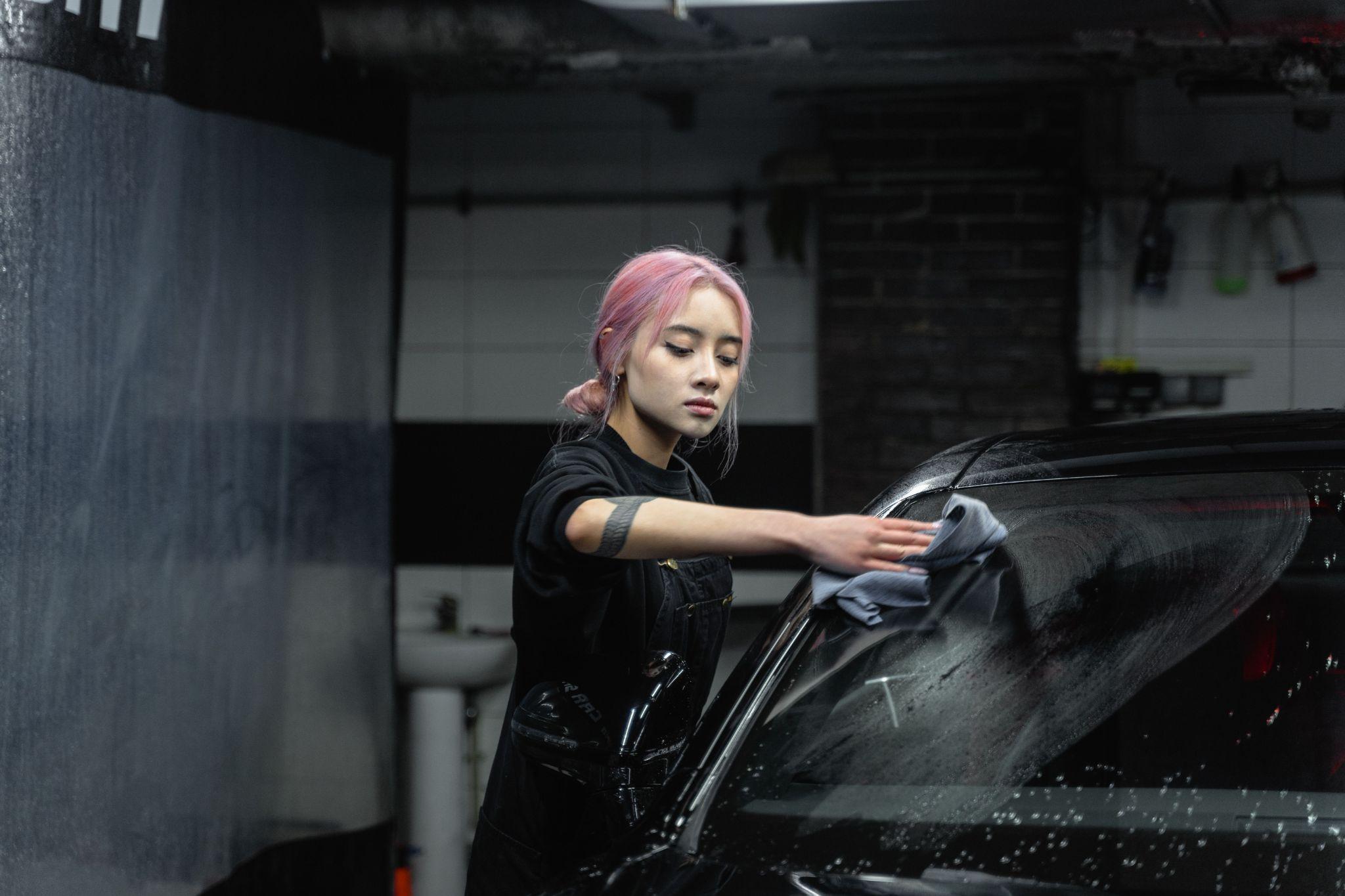
Cleaning is where most well-meaning owners accidentally shorten the life of their tint. It's an easy thing to get right once you know the rules.
- Use an ammonia-free glass cleaner, or just mild soap and water
- Spray the cleaner onto a soft microfiber towel, not directly onto the glass
- Wipe gently in one direction, without pressing hard
- Dry with a clean, soft towel
- Keep scrapers, razor blades, and abrasive pads far away from the film
Pay extra attention around the defroster lines on your rear glass. Those little lines are easy to damage, and ice scrapers are a classic culprit.
Signs It's Time To Replace Your Tint
Even a good tint isn't invincible if something went wrong along the way. Here's what to look for:
| What you see | What it usually means |
|---|---|
| Purple or bronze color shift | The film's colorant is breaking down |
| Hazing you can't clean off | The film has degraded, not just gotten dirty |
| Bubbles that never went away | They've outlasted the normal cure window and aren't going to settle |
| Edges lifting at the top of a door glass | The adhesive bond is failing |
At that point, removal and a fresh install is the right call. Trying to patch or hide failing film usually makes it look worse, and old film can be stubborn to remove cleanly, so it's worth having a professional handle the removal rather than going at it with a razor blade at home.
Residential And Commercial Tint Follow The Same Logic
Most people think of tint as a car thing, but the same principles apply to home and commercial glass. Quality film holds up when it's installed well and cared for gently, and cheap film shows its age quickly. Residential film comes with a lifetime warranty here, and commercial film typically carries about a 12 year warranty, so you're covered whichever kind of glass you're tinting.
Getting the most years out of your tint
Pulling it all together, here's the short list:
- Start with quality carbon or nano-ceramic film, not dyed film
- Choose an installer with a clean, careful process and a real warranty behind the work
- Respect the cure time before rolling windows down or cleaning
- Clean with ammonia-free products and soft towels only
- Keep tools away from the defroster lines
- Replace the film promptly when it shows real signs of failure
Do those things and your tint has a very good shot at looking sharp for as long as you own the vehicle.
Frequently Asked Questions
Ready for Tint That Actually Lasts?
If your tint is bubbling, turning purple, or you want it done right the first time, come see the team at Darkside Window Tint. Quality film, careful installation, and a lifetime warranty on automotive and residential work.