Commercial Window Tinting: Choosing the Right Service for Your Building
Learn how to choose the right commercial window tint in California by comparing film types, installers, warranties, glass compatibility, and project needs.
Is your commercial building dealing with excessive sunlight, screen glare, hot interior spaces, or privacy concerns? The right window film can address several of these issues without replacing the existing glass. Choosing commercial window tint in California requires more than comparing shades or installation prices. Building orientation, glazing type, film performance, appearance, and installation standards all deserve attention.
This guide explains what to evaluate when selecting a window tinting service, which film features matter for different commercial spaces, and what questions to ask before approving a project.
How Do I Choose the Right Window Tinting Service for My Commercial Building?
Choose a commercial window tinting provider that evaluates your existing glass, understands your building's objectives, recommends compatible film, provides a detailed scope of work, and can demonstrate relevant commercial installation experience.
A reputable provider should begin with an assessment rather than immediately recommending the darkest film available. Windows facing strong afternoon sunlight may have different requirements from shaded elevations, interior conference rooms, or storefront glazing.
For commercial window tint services in California, ask the provider to assess:
- Window orientation and direct sun exposure
- Existing glass type and condition
- Heat and glare concerns
- Desired privacy level
- Visible light requirements
This assessment is particularly important because commercial buildings can contain different glazing systems throughout the same property.
What Type of Commercial Window Film Does Your Building Need?
The right film depends on the problem you are trying to solve, not simply how dark you want the windows to look. Solar control film can reduce solar heat and glare. Privacy film can limit visibility into offices or meeting rooms. Decorative film can add branding or visual separation, while security film is intended to help hold broken glass together. When considering commercial window tint installation in California, clarify the primary objective before selecting a product.
Common Commercial Film Options
| Film type | Primary purpose | Suitable applications |
|---|---|---|
| Solar control | Heat and glare management | Offices, storefronts, large glazed areas |
| Privacy | Reduced visibility | Conference rooms, offices, reception areas |
| Decorative | Appearance and visual separation | Lobbies, glass partitions, branded spaces |
| Security | Added glass-fragment retention | Vulnerable doors and windows |
| Anti-graffiti | Surface protection | Storefronts and public-facing glass |
| Low-E | Thermal performance | Certain existing glazing applications |
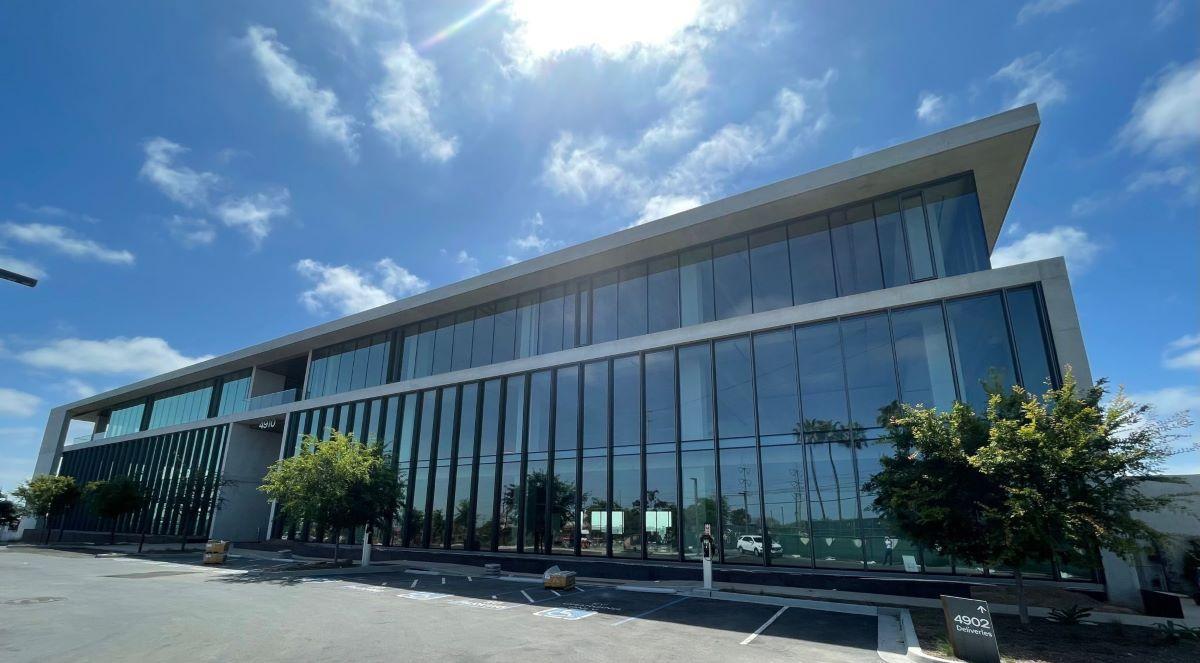
For office environments, office window film in California can be particularly useful where glare interferes with computer screens or where meeting rooms require additional privacy without eliminating natural light.
The U.S. Department of Energy recognizes windows as an important factor in building energy performance and notes that window technologies can influence both efficiency and occupant comfort.
Why Does the Existing Glass Matter?
A common mistake is assuming that any film can be applied to any window. Glass construction, coatings, thickness, pane configuration, and exposure can influence film compatibility. An experienced installer should identify the glazing system before recommending a product. This is especially relevant for insulated glass units and specialty architectural glazing. With commercial window tint services in California, the goal should be to select a film that is appropriate for the glass while addressing the building's actual performance needs.
What Should You Compare Between Window Tinting Companies?
Don't judge providers solely by their advertised price. A low estimate may exclude surface preparation, difficult-access areas, removal of existing film, after-hours work, or other project requirements. For commercial window tint installation in California, compare providers using the same basic criteria:
- Commercial experience: Ask about projects similar to your building.
- Film specifications: Request the manufacturer, film type, and relevant performance information.
- Glass assessment: Confirm that the installer will evaluate existing glazing.
- Installation process: Ask how the team handles occupied spaces and protects surrounding surfaces.
- Warranty: Understand what the product warranty covers and whether workmanship is separately covered.
- Project scope: Make sure the written proposal identifies windows, film, preparation, installation, cleanup, and any additional services.
A professional assessment should also account for practical details such as furniture placement, access equipment, security restrictions, and business hours.
Why Is Professional Installation Important?
Window film installation requires clean glass preparation, accurate cutting, controlled application, and attention to edges and seams. Dust, contamination, poor preparation, or careless handling can affect the finished appearance.
For office window film in California, installation may also need to be coordinated around employees, customers, sensitive equipment, or scheduled meetings. A provider that can work around business operations may be more practical than one that requires unrestricted daytime access.
How Can You Get Better Long-Term Value?
The best film is not necessarily the darkest, most expensive, or most heavily marketed option. It is the one that addresses the building's priorities while remaining compatible with the existing glass and practical for the occupants.
For commercial window tint services in California, consider the full value of the project: comfort, glare management, privacy, appearance, glass protection, maintenance expectations, and installation disruption.
It is also wise to document which film is installed in each area. Keeping product information and warranty records can make future repairs, replacements, or additional installations easier to manage.
Choose a Window Tinting Partner With a Building-Focused Approach
Commercial window film should be treated as a building improvement rather than a simple cosmetic upgrade. Start with the property's needs, evaluate the glass, compare appropriate film options, and require a clear installation scope before making a decision.
If you are evaluating commercial window tint installation, DarkSide Window Tinting can assess your commercial property and help identify film options based on the building's glass, exposure, privacy requirements, and intended use.
Key Takeaways
- Select commercial window film according to your building's glass, sunlight exposure, privacy needs, glare concerns, and intended use.
- Compare contractors based on commercial experience, film specifications, glass compatibility, installation practices, warranties, and project scope.
- Avoid choosing a film solely because it is darker or cheaper; performance and compatibility matter more.
- A thorough on-site assessment can help ensure the selected film and installation approach suit the building.
Ready to improve your commercial property's comfort, privacy, or glare control?
Contact DarkSide Window Tinting to discuss your building and request a commercial window film assessment.
Contact DarkSide Window Tinting