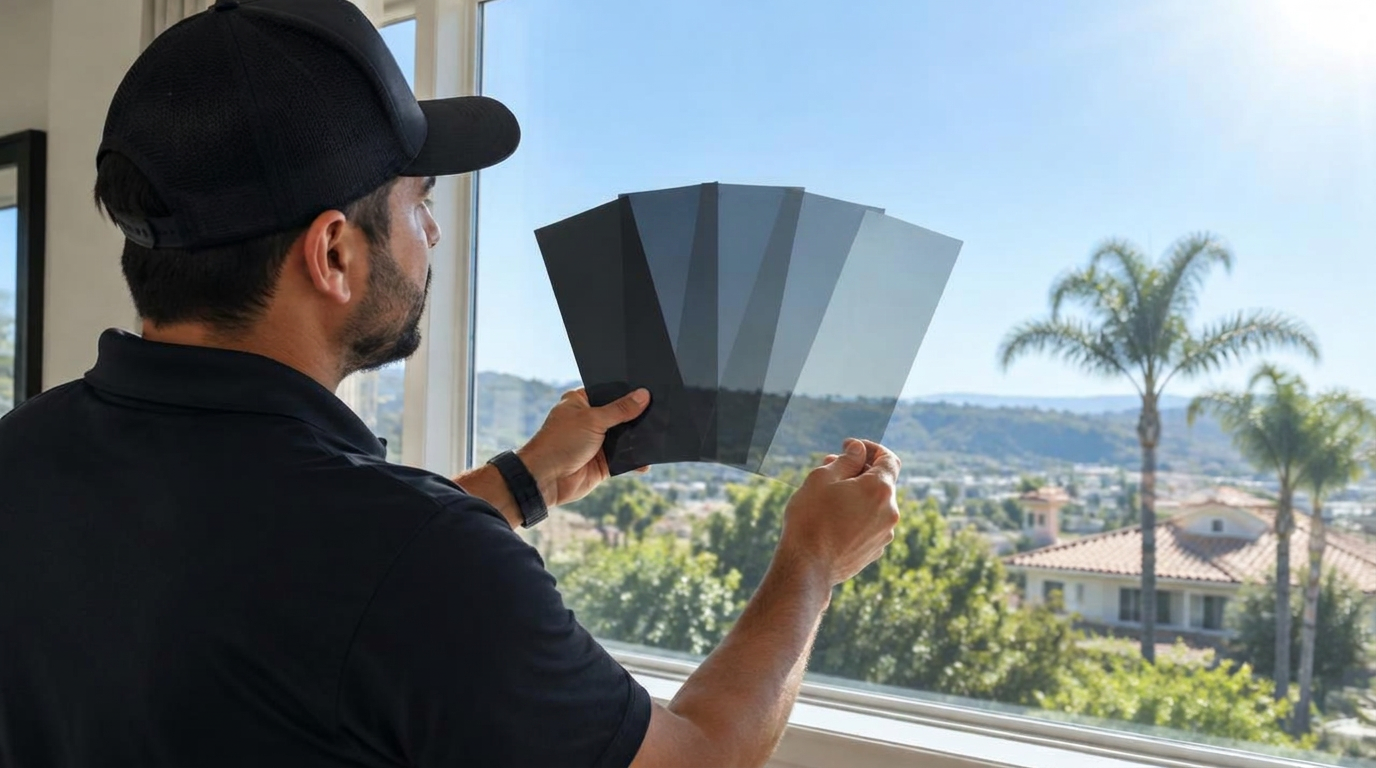
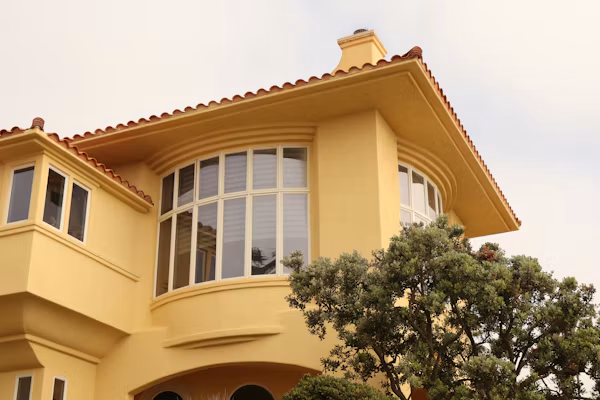
Residential Window Tinting in California: Finding the Right Fit for Your Home
Explore window tinting services in California and learn how to choose residential films for heat control, glare reduction, UV protection, privacy, and comfort.
Key Takeaways
- Choose window film according to each room's sunlight exposure, privacy needs, and comfort issues.
- Solar-control, ceramic, frosted, and security films serve different purposes.
- Check glass compatibility, product specifications, installation quality, and warranty conditions before committing.
- Window tint can help manage heat and glare, but results depend on the film and existing windows.
How Do I Choose the Best Residential Window Tinting Service in California?
Does the living room become uncomfortable every afternoon, or does sunlight make it difficult to watch television without closing the curtains? The right window tinting services in California can help address these problems while preserving natural light and outdoor views. Choosing the best option means understanding the purpose of each film, the condition of the existing glass, and the performance needed in different rooms.
1. Identify What Each Room Needs
Before comparing products, identify the main issue affecting each window. A west-facing living room may need heat and glare control, while a street-facing bedroom may require more privacy.
Walk through the home at different times of day and note where sunlight causes discomfort. This simple exercise helps avoid paying for features that a particular room does not need.
Consider these common situations:
- Hot rooms: Solar-control films can reduce incoming solar heat, depending on the glass and product.
- Screen glare: Films designed to reduce glare can improve visibility in home offices and media rooms.
- Fading furnishings: UV-filtering films can help protect flooring, artwork, upholstery, and other interiors from sun-related fading.
- Limited privacy: Frosted or reflective films can reduce visibility in specific settings.
One home may need several film types rather than a uniform tint throughout. Matching the solution to each window usually produces a more practical result.
2. Which Window Film Is Right for Your Home?
Window films differ in their construction, appearance, and performance. Understanding these differences makes it easier to compare professional recommendations.
| Film type | Best suited for | Important consideration |
|---|---|---|
| Solar-control film | Reducing solar heat and glare | Performance depends on glass type and film specifications |
| Ceramic film | Heat management with a relatively clear appearance | Compare infrared rejection and visible light transmission |
| Frosted film | Bathrooms, sidelights, and selected ground-floor windows | Reduces clear visibility through the treated area |
| Reflective film | Managing sunlight and daytime privacy | Privacy changes with lighting conditions |
| Security film | Helping hold broken glass fragments together | Does not make ordinary glass unbreakable |
For many California homes, solar-control film is worth investigating first, particularly on windows receiving strong afternoon sun. Ceramic options may suit homeowners who want to manage heat without substantially changing the appearance of their windows.
Privacy requires a separate decision. Reflective films generally work best for daytime privacy when the exterior is brighter than the interior. At night, indoor lighting can reverse that effect, so curtains or blinds may still be necessary.
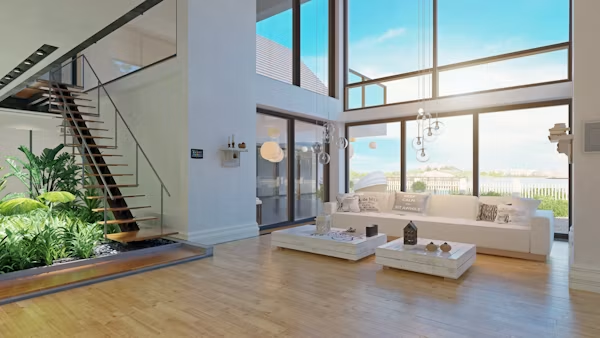
3. Consider California's Sun, Glass, and Energy Needs
California's climate varies considerably between coastal areas, inland valleys, and elevated regions. A film suitable for a sun-exposed home in the Central Valley may not be the best choice for a shaded coastal property.
Pay attention to window orientation, existing glazing, shading from trees, and how long direct sunlight reaches each room. South- and west-facing windows may experience substantial solar exposure, although the actual impact depends on the building's design.
It is also important to understand that darker film does not automatically provide better heat rejection. Ask installers to explain the product's infrared heat rejection, UV protection, and visible light transmission. These measurements describe different performance characteristics and should not be treated as interchangeable.
The US Department of Energy explains how window technologies affect energy efficiency. Reviewing this guidance can help homeowners understand why glazing and solar heat gain matter when evaluating improvements.
Before installation, confirm that the selected film is compatible with the existing glass. Certain insulated, tinted, or coated windows may have specific restrictions. A professional assessment can help identify potential concerns before the film is applied.
4. How Can Homeowners Evaluate an Installer?
A quality film can still produce disappointing results if installation is rushed or the product is unsuitable for the glass. Comparing installers requires more than looking at the lowest quote.
When reviewing window tint installation in California, ask these questions:
1. Which product is recommended, and why? The answer should connect the film's properties to the actual problem.
2. Is the film compatible with the existing glass? Ask whether the installer has assessed the window type and manufacturer guidance.
3. What does the warranty cover? Check coverage for peeling, bubbling, discolouration, and other specified defects.
4. What preparation is included? Proper cleaning, accurate measurements, and careful application are essential for a neat finish.
5. What maintenance is required? Ask when the film can be cleaned after installation and which cleaning products are suitable.
Request an itemised quote that identifies the film, installation scope, warranty, and any additional charges. This makes it easier to compare proposals fairly and understand exactly what the price includes.
5. What Should Happen After Installation?
Newly installed film may appear slightly hazy or show small moisture patterns while the adhesive cures. The time required for this process depends on the film, weather, and installation conditions. The installer should explain what is normal and when to report a concern.
Avoid cleaning the treated glass until the recommended curing period has passed. Afterwards, use an approved cleaning solution and a soft cloth or suitable squeegee to avoid scratching the surface.
Keep the product information and warranty documents for future reference. If the film develops persistent bubbles, lifting edges, or unexpected discolouration, contact the installer rather than attempting an improvised repair.
When comparing window film services in California, consider ongoing support as well as the initial installation. Clear aftercare instructions and accessible warranty information can make ownership easier over time.
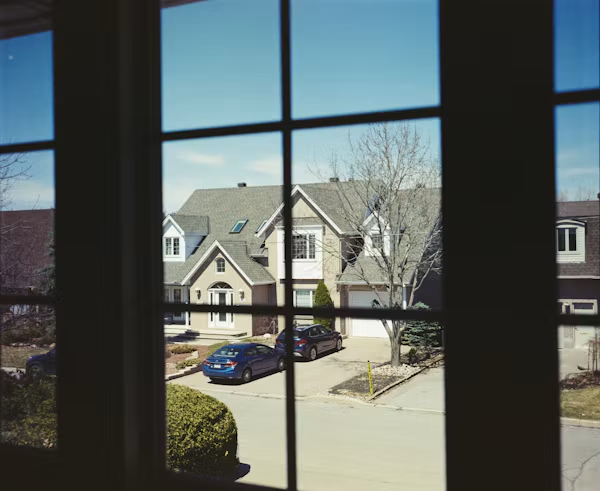
Explore Residential Film Options With DarkSide Window Tinting
DarkSide Window Tinting provides residential window film installation across California's Central Valley, with options for solar control, glare reduction, UV protection, privacy, and security. Its residential service includes ceramic and clear-film options for homeowners who want to improve comfort without significantly changing their windows' appearance.
The right recommendation depends on the glass, room conditions, and desired result. Explore the residential window tinting service to learn about available films and installation options.
Ready for a quote?
Tell us about your vehicle, home, or building and we will recommend the right film.
Get a Free QuoteFrequently asked questions
Does residential window tint make rooms too dark?
Not necessarily. Films are available in different shades and visible light transmission levels, including relatively clear options. The best choice depends on the room's natural light and performance requirements.
Can window film reduce cooling costs?
Solar-control film can reduce some solar heat entering through windows, which may reduce cooling demand in suitable conditions. Actual savings depend on the property, existing glazing, climate, and air-conditioning use.
Does window tint provide privacy at night?
Reflective film alone generally cannot guarantee nighttime privacy when lights are on indoors. Frosted film or curtains may be more appropriate where privacy is needed regardless of lighting.
Can film be installed on existing windows?
Yes, many films are designed for application to existing glass. However, compatibility should be checked before installation, particularly for insulated units and specialised coatings.