The First 5 Days: How to Care for Fresh Window Tint
Just got your windows tinted? Here's exactly how to care for fresh tint during the first 5 days to avoid bubbles, peeling, and haze.
Key Takeaways
- Fresh tint isn't fully bonded to the glass the moment you drive away it needs several days to cure properly.
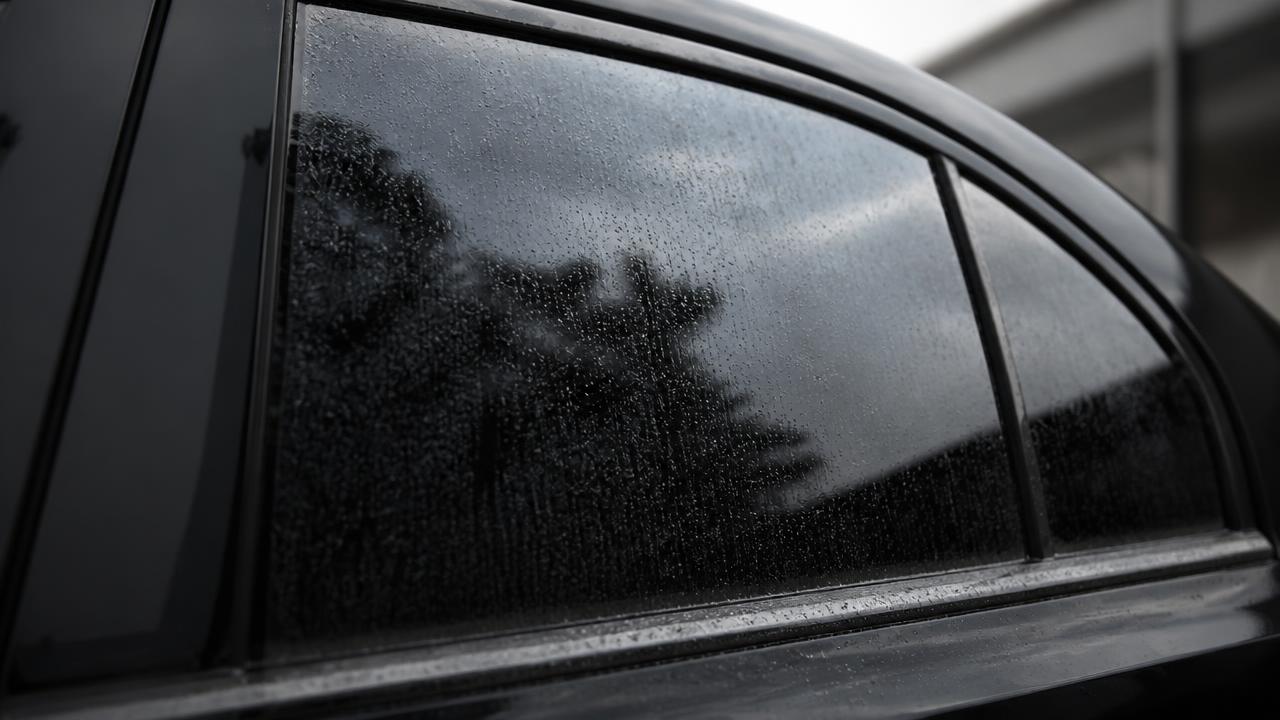
- Hazy patches, tiny water bubbles, and a slightly cloudy look are normal during curing and typically clear up on their own.
- Rolling down windows too early is the single most common mistake that damages fresh tint.
- Cleaning products and pressure washers should stay away from tinted windows for at least a week.
- Curing time varies by weather warm, dry conditions speed things up, while cold or humid weather can stretch the process out.
Why the First 5 Days Matter So Much
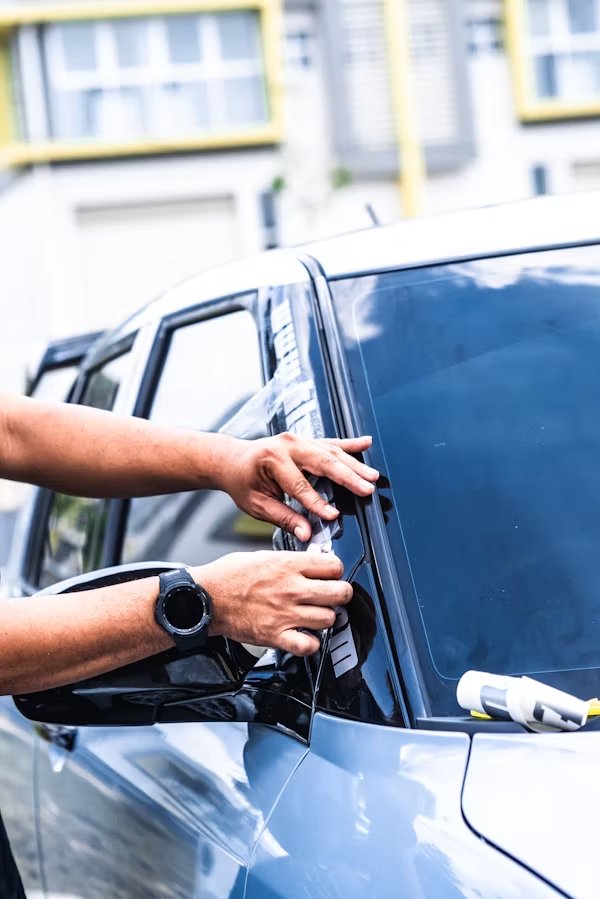
Getting tint installed is the easy part. What happens in the days right after is what actually determines whether it looks great for years or starts bubbling within a season. Most professional window tinting services in California will tell you the same thing: the film isn't fully bonded to the glass the moment you drive off the lot. It needs time, air, and the right conditions to cure completely. Treat it like any other adhesive-based installation rush it, and you risk undoing a clean, professional job over something as simple as rolling down a window too soon.
Day-by-Day Care Guide
Every installer's exact timeline varies slightly, but this is a reliable general guide for the first five days after a fresh tint job:
| Day | What to Do | What to Avoid |
|---|---|---|
| Day 1 | Leave windows fully rolled up; park indoors if possible | Rolling down windows, touching the film |
| Day 2 | Keep windows up; let the vehicle sit undisturbed when parked | Car washes, slamming doors with windows down |
| Day 3 | Continue avoiding window movement | Cleaning products, stickers, or tape on the film |
| Day 4 | Light daily driving is fine; avoid rolling windows | Pressure washing or scrubbing the glass |
| Day 5 | Small water bubbles should be noticeably reducing | Rolling windows down unless fully cured |
What "Curing" Actually Means
Fresh tint is installed using an adhesive layer that needs to fully set before the film is permanently bonded to the glass. This process is similar to what's broadly described in general explanations of curing in chemistry a hardening or setting process that requires time and the right environmental conditions rather than something that finishes instantly. During curing, trapped moisture between the film and the glass slowly evaporates through microscopic channels in the adhesive, which is exactly why you'll often see small water bubbles or a light haze in the first few days. That's not a flaw in the installation it's simply the film doing what it's supposed to do.
Common Mistakes That Cause Bubbles or Peeling
| Mistake | Why It Causes Problems |
|---|---|
| Rolling windows down too soon | Breaks the adhesive bond before it's had time to set |
| Washing the car in the first week | Water pressure and cleaning chemicals disrupt curing |
| Using ammonia-based cleaners | Ammonia degrades the film and adhesive over time |
| Scraping or picking at bubbles | Damages the film surface and voids most warranties |
| Parking in extreme heat right away | Rapid temperature swings can affect how evenly the adhesive sets |
Signs Your Tint Is Fully Cured
| Still Curing | Fully Cured |
|---|---|
| Small, scattered water bubbles | Completely smooth, clear surface |
| Slight haze under certain light | Consistent tint color with no cloudiness |
| Film feels slightly soft to the touch | Film feels firmly bonded to the glass |
| Edges appear slightly lifted | Edges are flush and fully adhered |
Curing times vary depending on film type, climate, and even how much direct sun the vehicle gets, which lines up with general background on how window film is constructed and applied thicker, higher- performance films can sometimes take a bit longer to fully set than basic film.
Long-Term Care Tips After Day 5
- Wait at least a week before your first proper wash, and use a soft cloth rather than a pressure washer near the tinted windows.
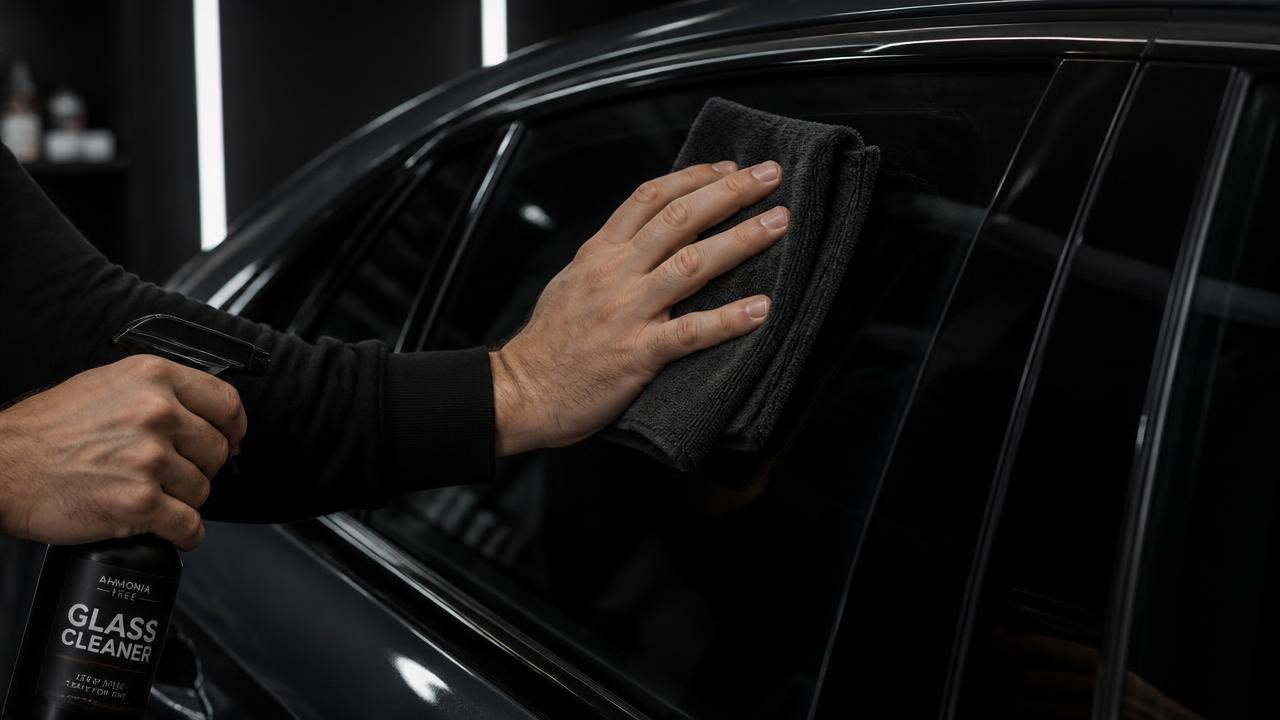
- Stick to ammonia-free glass cleaners for the life of the film, not just during curing.
- Avoid adhesive stickers, parking permits, or tape directly on tinted windows.
- If you notice a bubble that hasn't resolved after a couple of weeks, have it checked rather than trying to fix it yourself.
The Bottom Line
A little patience in the first five days is really all fresh tint asks for. Keep the windows up, skip the car wash, and let the film cure the way it's designed to, and you'll end up with a clean, bubble-free finish that lasts for years instead of one that needs correcting a few months in. If anything looks off after the curing window has passed, Darkside Window Tinting is always happy to take a look and make sure everything set the way it should.
Questions about how your fresh tint is curing?
Contact Darkside Window Tinting and we will take a look to make sure your film set the way it should.
Contact DarkSide Window TintingFrequently asked questions
How long does window tint take to fully cure?
Most tint cures within a few days to about a week, though full curing can take longer depending on film type, weather, and how much direct sunlight the vehicle gets.
Can I roll my windows down right after getting them tinted?
No — windows should stay up for at least a few days after installation. Rolling them down too early can break the adhesive bond and cause peeling or bubbling.
Why does my new tint look hazy or have small bubbles?
This is a normal part of the curing process. Trapped moisture between the film and glass gradually evaporates, and the haze or small bubbles typically clear up on their own within a week or two.
What should I avoid doing after getting my windows tinted?
Avoid rolling down windows, washing the car, using ammonia-based cleaners, or applying stickers or tape to the film for at least the first week after installation.