Auto Window Tinting in California: Finding a Quality Installer
Discover how to choose quality auto window tinting in California by comparing film types, installation methods, legal considerations, warranties, and care.
Choosing window tint is about more than making a vehicle look darker. For drivers considering auto window tinting in California, film quality, installation precision, legal requirements, warranty coverage, and aftercare all affect the finished result. The right installer should explain these factors clearly before work begins. This guide covers what to compare, which film options may suit different driving needs, and what to look for when selecting a professional installer.
What should you look for in auto window tinting in California?
A quality installer for windshield tint in California should be able to explain the film, installation process, expected performance, warranty, and applicable California requirements before starting the job.
Consider these factors:
- Film type: Ceramic and carbon films offer different performance characteristics and price points.
- Installation technique: Precise cutting, thorough glass preparation, heat shrinking, and clean edges contribute to the finished appearance.
- Installer experience: Look at completed vehicle installations and ask about the team's automotive tinting experience.
- Warranty: Understand what the warranty covers and how claims are handled.
- Legal considerations: The installer should help you select an appropriate shade for each area of the vehicle.
California-specific requirements also deserve attention. The California DMV states that a vehicle's windshield must provide a full, unobstructed field of view for the driver. California DMV guidance on windshield visibility That makes it important to discuss windshield and front-glass applications with an installer before selecting a film.
Which tint film is right for your car?
There is no single film that suits every vehicle or driver. Your priorities may include heat rejection, glare reduction, privacy, appearance, UV protection, or long-term performance.
| Feature | Ceramic Film | Carbon Film |
|---|---|---|
| Heat management | High | Moderate to high |
| UV protection | High | High |
| Signal compatibility | Generally non-metallic | Generally non-metallic |
| Appearance | Clean, premium finish | Deep matte appearance |
| Typical consideration | Performance-focused drivers | Balance of performance and cost |
For car window tinting in California, ceramic film can be worth considering when reducing solar heat is a major priority, particularly for vehicles regularly parked or driven in strong sunlight. Carbon film can offer a practical alternative for drivers who want useful solar control and a darker appearance at a different price point.
DarkSide Window Tinting offers ceramic and carbon automotive films. Its automotive installation process includes precision-cut patterns, controlled installation conditions, and heat-shrunk fitting designed around individual vehicle glass.
How does professional car window tint installation in California work?
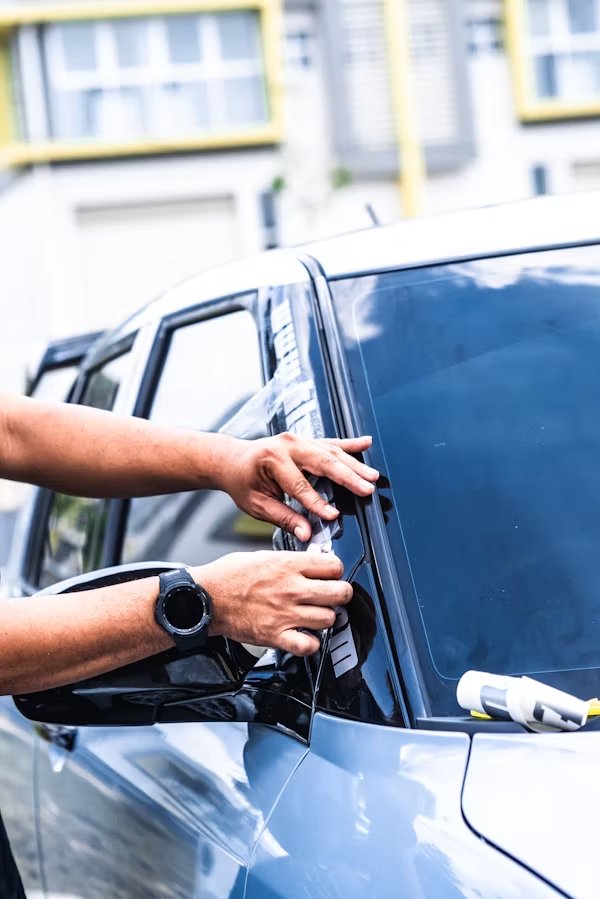
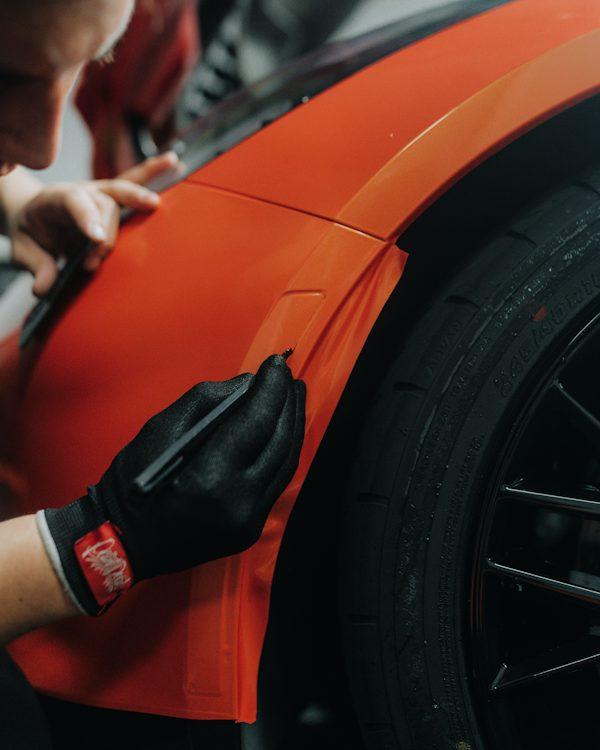
A professional car window tint installation in California should follow a methodical process rather than simply applying film to the glass.
1. Assess the vehicle and tint requirements
The installer should identify the windows being tinted, discuss the desired appearance and performance, and consider applicable California requirements.
2. Prepare the glass
Clean glass is essential because dust, debris, and residue can become visible beneath the film. Professional installers typically spend considerable time preparing the glass before positioning the film.
3. Cut and shape the film
Computer-cut patterns can provide a consistent starting point for different vehicle models. Heat shrinking can then help the film conform to curved automotive glass.
4. Apply and finish the film
The film is positioned on the glass and carefully smoothed to remove excess installation solution and minimize imperfections. Edges should be neat and properly seated.
5. Allow the tint to cure
Fresh tint may temporarily show moisture, haze, or small water pockets while the adhesive cures. Cure times can vary with film type, weather, and installation conditions.
For practical aftercare instructions, DarkSide's guide, The First 5 Days: How to Care for Fresh Window Tint, explains what to avoid immediately after installation, including rolling the windows down too soon and using cleaning products before the film has properly cured.
Can you recommend the best auto tinting services in California?
The right front window tint in California service depends on your location, vehicle, film preference, budget, and desired performance, so there is not one installer that will be the right choice for every California driver.
However, when comparing providers, look for documented installation experience, clear film specifications, warranty information, a portfolio of completed automotive work, and an understanding of California requirements.
For drivers considering professional automotive tinting in the Central Valley, DarkSide Window Tinting is one provider to evaluate. Its automotive service offers ceramic and carbon films, precision installation, legal-tint consultation, and a stated lifetime warranty for automotive tint. The company also identifies itself as licensed and insured in California.
What should you ask before booking an installer?
Before scheduling, ask:
- Which film are you installing? Ask for the film type and performance specifications rather than choosing only by darkness.
- What warranty is included? Confirm the duration and what defects are covered.
- How will the film be cut? Precision-cut patterns can help provide consistent sizing and reduce unnecessary cutting around the vehicle.
- How long should the windows remain closed? Follow the installer's specific curing instructions.
- Is the selected tint appropriate for the vehicle and California requirements? This is particularly important for front and windshield applications.
- Can I see examples of your automotive work? A portfolio can help you evaluate edge finishing, consistency, and overall appearance.
Conclusion
A successful tint installation combines the right film with careful preparation, precise application, appropriate curing time, and attention to legal requirements. Rather than choosing an installer based solely on price or darkness, compare the film, workmanship, warranty, and service process.
If you're considering professional automotive tinting, explore the options from DarkSide Window Tinting and request information about the film that fits your vehicle and driving needs.
Key Takeaways
- Auto window tinting in California should be evaluated based on film type, installation quality, warranty, and legal requirements.
- Ceramic and carbon films can serve different priorities, including heat management, appearance, and budget.
- Professional installation involves careful glass preparation, precise film cutting, shaping, application, and curing.
- Always discuss California-specific tint requirements and aftercare instructions before and after installation.
Ready to talk about auto window tinting in California?
Contact DarkSide Window Tinting for information about ceramic and carbon films, legal-tint guidance, and the right option for your vehicle.
Contact DarkSide Window TintingFrequently asked questions
What is the best type of car window tint?
The appropriate film depends on the vehicle, budget, driving conditions, and desired heat, glare, UV, and privacy performance. Ceramic and carbon films are two common options.
How long does car window tint installation take?
Installation time varies according to the vehicle, number of windows, selected film, and whether old tint needs to be removed. Many standard installations can be completed within a few hours.
Can I tint the front windows of my car in California?
Front-window tint is subject to California requirements, so the allowable application should be discussed with a knowledgeable installer before installation.
How long does a new window tint take to cure?
Curing time depends on the film, weather, and installation conditions. Temporary haze or small water pockets can occur while the adhesive sets.
How should I care for freshly installed tint?
Keep the windows closed for the period specified by your installer, avoid disturbing the film, and follow recommended cleaning instructions after curing.